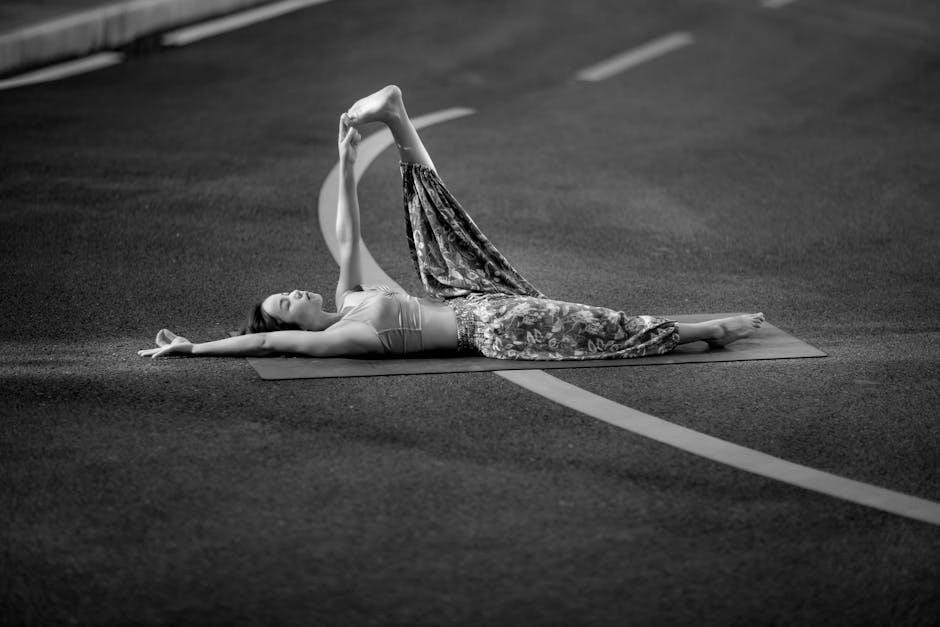
Yoga Flow Sequence PDFs: A Comprehensive Guide
Discover the power of structured practice with downloadable yoga flow sequence PDFs, offering convenience and accessibility for all levels – from beginner to advanced practitioners!
These digital guides, like those from Amazon and Kirsty Stewart Yoga, provide detailed instructions and visual aids, enabling a focused and effective home practice.
What is a Yoga Flow Sequence?
A yoga flow sequence is a carefully curated series of poses, or asanas, linked together with breath – typically the inhale and exhale – to create a dynamic and continuous movement practice. Unlike holding static poses for extended periods, a flow encourages a fluid transition from one posture to the next, building heat, strength, and flexibility.
These sequences, often found conveniently packaged as PDFs, aren’t random; they’re thoughtfully designed to warm up the body, move through peak poses, and then cool down, culminating in a restorative Savasana. The beauty of a PDF lies in its portability and accessibility, allowing you to practice anywhere, anytime.
Flows can vary greatly in style and intensity, ranging from gentle Hatha flows to vigorous Vinyasa sequences. A well-structured PDF will guide you through each pose with clear instructions and often include modifications to suit different levels of experience, ensuring a safe and effective practice. They are a fantastic way to deepen your yoga practice!
The Benefits of Using a PDF Yoga Flow
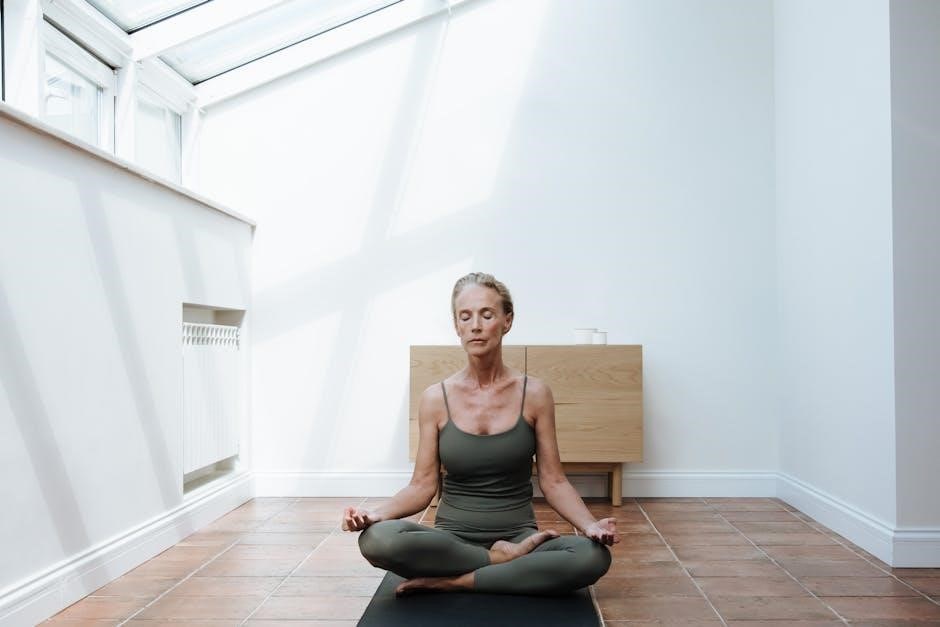
Utilizing a yoga flow sequence PDF offers numerous advantages for practitioners of all levels. Convenience is paramount – practice anytime, anywhere, without relying on internet access or studio schedules. Cost-effectiveness is another key benefit, as many free or affordable PDFs are readily available online, like resources from Kirsty Stewart Yoga and Amazon.
PDFs promote self-paced learning, allowing you to pause, rewind, and revisit poses as needed. They also foster independence in your practice, encouraging you to listen to your body and modify poses accordingly. The visual aids within a PDF – images and clear instructions – enhance understanding and proper alignment.
Furthermore, a PDF provides a structured practice, eliminating the guesswork of sequencing poses. This focused approach can deepen your connection to your breath and body, leading to increased mindfulness and overall well-being. It’s a portable yoga studio in your hands!
Popular Yoga Flow Styles for PDFs
Yoga flow sequence PDFs cater to a diverse range of styles, each offering unique benefits. Vinyasa Flow, known for its dynamic linking of breath and movement, is widely available in PDF format, often featuring sequences from instructors like Kirsty Stewart Yoga. These PDFs typically guide you through sun salutations and creative transitions.
Hatha Flow, a more grounded and deliberate practice, is also commonly found as downloadable PDFs, emphasizing holding poses for longer durations. Yin Yoga PDFs are increasingly popular, focusing on deep connective tissue stretches held for several minutes, promoting relaxation and flexibility.
Many PDFs blend elements of these styles, offering hybrid flows suitable for various preferences. Amazon provides access to a broad spectrum of digital yoga resources, including PDFs representing these popular styles. Choosing the right style depends on your desired intensity and focus – whether you seek an energetic workout or a restorative experience.
Vinyasa Flow & PDF Resources
Vinyasa Flow, characterized by its continuous movement synchronized with breath, is exceptionally well-suited for yoga flow sequence PDFs. These PDFs often detail sequences built around sun salutations (Surya Namaskar), incorporating standing poses, twists, and backbends. Resources like those found on Kirsty Stewart Yoga (www.kirstystewart.yoga) provide 60-minute Vinyasa flows in PDF format, complete with pose timings – for example, 4 minutes in Easy Pose (Sukhasana).
Amazon offers a vast selection of Vinyasa-focused PDFs, ranging from beginner-friendly introductions to advanced challenges. These resources frequently emphasize transitions between poses, creating a fluid and meditative experience. PDFs allow practitioners to easily follow along, pausing and repeating sections as needed.
Look for PDFs that clearly illustrate proper alignment and offer modifications for different levels, ensuring a safe and effective practice. The dynamic nature of Vinyasa translates beautifully into the accessible format of a PDF.
Hatha Flow & PDF Availability
Hatha Flow, a slower-paced style emphasizing held poses and mindful breathing, is readily available in yoga flow sequence PDF format. Unlike the continuous movement of Vinyasa, Hatha flows often build through a series of individual postures, held for several breaths. PDFs are ideal for this style, allowing practitioners to deeply explore each pose and its alignment.
While dedicated Hatha flow PDFs might be less prominently featured on platforms like Kirsty Stewart Yoga compared to Vinyasa, Amazon provides numerous options. These PDFs typically include detailed instructions and illustrations for foundational poses like Tadasana (Mountain Pose) and Adho Mukha Svanasana (Downward-Facing Dog).
When selecting a Hatha flow PDF, prioritize clarity in pose descriptions and modifications. Look for resources that emphasize proper alignment and offer guidance on breathwork (pranayama) to enhance the meditative aspect of the practice. The static nature of Hatha lends itself well to self-paced learning via PDF.
Yin Yoga & PDF Guides
Yin Yoga, characterized by long-held, passive poses targeting deep connective tissues, is exceptionally well-suited to yoga flow sequence PDF practice. These PDFs allow for undisturbed, self-guided sessions, crucial for the introspective nature of Yin. Unlike dynamic styles, Yin emphasizes stillness and mindful awareness of sensations.
PDF guides for Yin often focus on specific meridian lines or areas of the body, like the hips or spine. They typically detail poses held for 3-5 minutes, encouraging surrender and release. While Amazon offers a selection, specialized yoga websites are increasingly curating Yin-specific PDF sequences.
When choosing a Yin Yoga PDF, prioritize guides that clearly explain the target areas and offer modifications using props like bolsters and blankets. Look for resources that emphasize the importance of listening to your body and avoiding pushing beyond your comfortable edge. The PDF format supports this mindful, individualized approach.
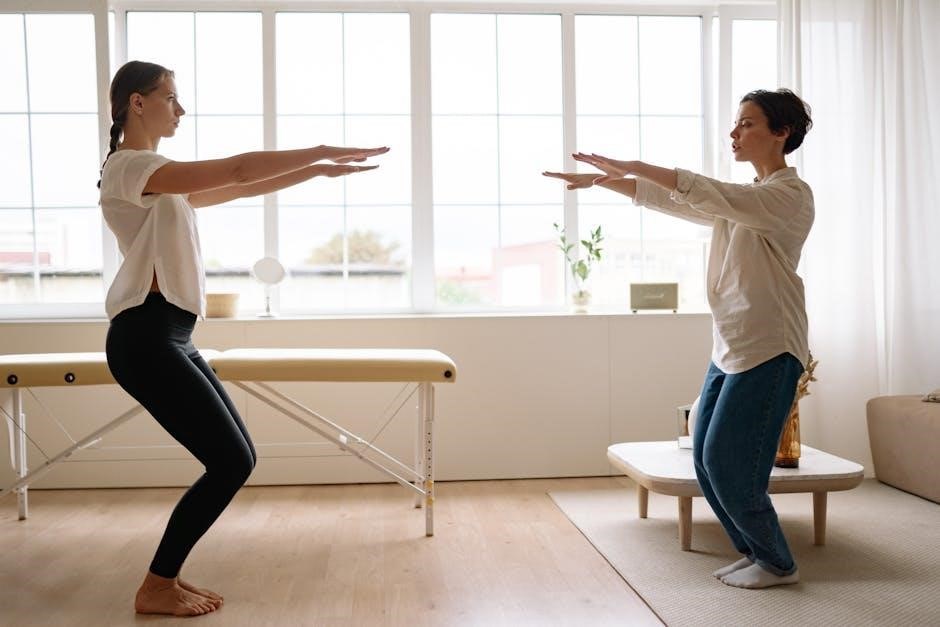
Finding the Right Yoga Flow Sequence PDF
Navigating the digital landscape requires discerning choices; explore free and paid yoga flow sequence PDFs, prioritizing clarity, modifications, and duration to match your needs!
Free vs. Paid PDF Yoga Flows
Exploring the world of yoga flow sequence PDFs reveals a spectrum of options, ranging from complimentary resources to premium, paid content. Free PDFs, often found on various yoga websites and blogs, serve as excellent introductory materials, providing basic sequences suitable for beginners or those seeking a quick practice.
However, these free resources may sometimes lack the depth, detailed instructions, or modifications found in paid PDFs. Paid PDFs, frequently offered by experienced yoga instructors like Kirsty Stewart, or available through platforms like Amazon, generally provide more comprehensive sequences, higher-quality images, and detailed pose breakdowns.
Investing in a paid PDF can be particularly beneficial for practitioners seeking specific styles, such as Vinyasa or Yin yoga, or those requiring modifications due to injuries or limitations. The enhanced clarity and structure often justify the cost, ensuring a safe and effective practice. Ultimately, the best choice depends on individual needs, experience level, and budget.
Key Elements to Look for in a PDF
When selecting a yoga flow sequence PDF, several key elements contribute to a positive and effective practice experience. Clear pose instructions and accompanying images are paramount, ensuring proper alignment and minimizing the risk of injury. High-quality visuals, demonstrating each pose from multiple angles, are incredibly valuable.
Furthermore, a good PDF will offer modifications for different levels, catering to both beginners and experienced yogis. This inclusivity allows practitioners to adapt the sequence to their individual capabilities and limitations. Consider the sequence duration and difficulty; choose a PDF that aligns with your available time and fitness level.
Look for PDFs that clearly indicate the sequence’s focus – whether it’s a gentle restorative flow or a more dynamic Vinyasa practice. A well-structured PDF will also include cues for breathwork and mindful transitions between poses, enhancing the overall experience.
Clear Pose Instructions & Images
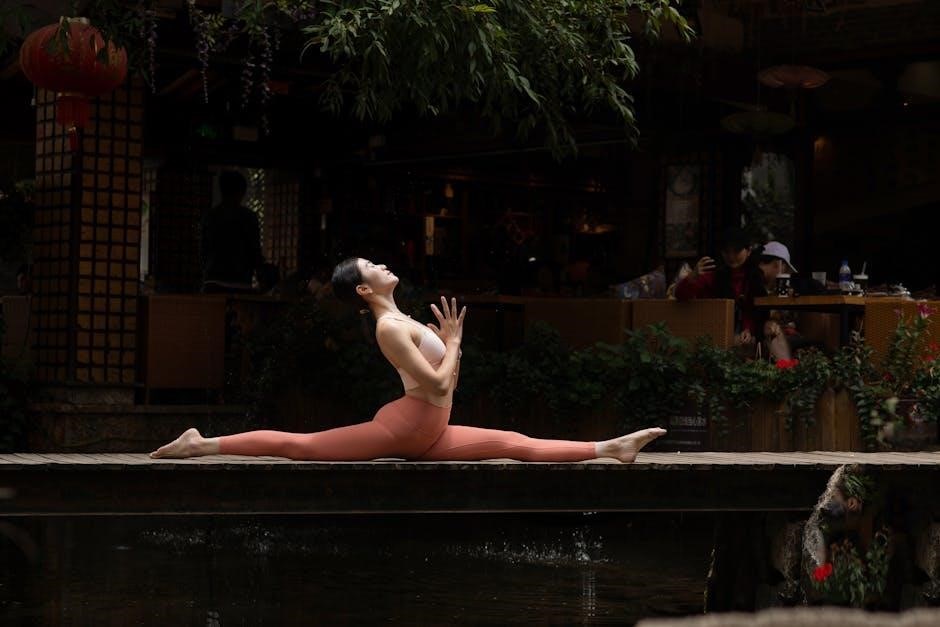
The cornerstone of any useful yoga flow sequence PDF lies in its clarity of instruction. Each pose should be described with precise, concise language, detailing proper alignment and key actions. Avoid ambiguity; instructions should be easily understood by practitioners of varying experience levels.
However, words alone are often insufficient. High-quality images are crucial, providing a visual reference for each pose. These images should ideally showcase the pose from multiple angles, highlighting correct form and common mistakes. A 360 product view, as offered by Amazon, can be incredibly helpful for understanding spatial relationships.
Look for PDFs that include anatomical cues, indicating which muscles are engaged and how to protect joints. Detailed imagery and precise instructions empower practitioners to safely and effectively navigate the sequence, fostering a deeper connection to their bodies.
Modifications for Different Levels
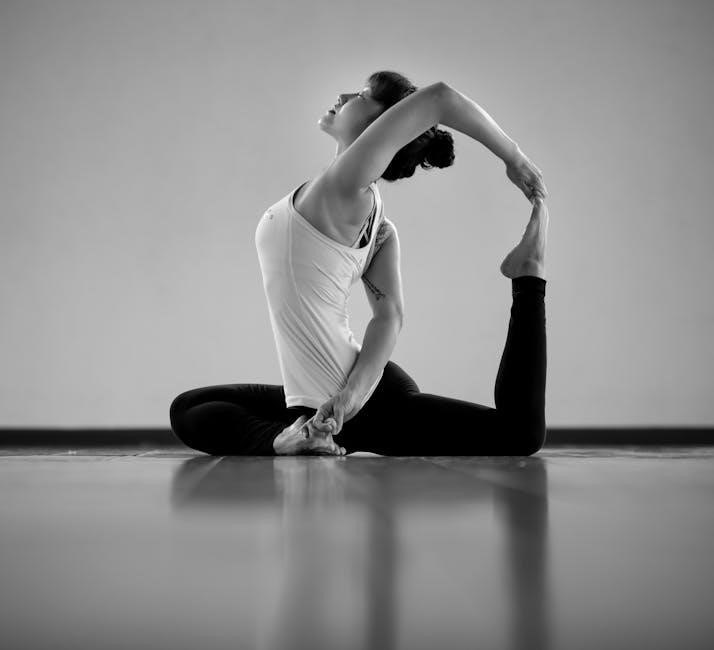
A truly inclusive yoga flow sequence PDF acknowledges that practitioners arrive with diverse levels of experience and physical capabilities. Therefore, offering modifications is paramount. A good PDF won’t just present the ‘standard’ pose, but will also suggest variations for beginners, intermediate students, and those seeking a more challenging practice.
Beginner modifications might involve using props like blocks or straps, or simplifying the pose altogether. Advanced variations could introduce arm balances or deeper backbends. The PDF should clearly indicate which modifications are suitable for each level.
Listening to your body’s communication, as emphasized in practice, is key. Modifications allow individuals to honor their limitations and prevent injury, ensuring a safe and rewarding experience for everyone. This adaptability is what transforms a good PDF into an exceptional one.
Sequence Duration & Difficulty
Understanding the time commitment and challenge level is crucial when selecting a yoga flow sequence PDF. A well-designed PDF will clearly state the estimated duration of the entire flow, allowing you to plan your practice accordingly. Sequences can range from quick 30-minute sessions to more extended 60-minute or longer flows.
Difficulty level should also be explicitly indicated – beginner, intermediate, or advanced. This helps practitioners choose a sequence that aligns with their current abilities. Consider the complexity of the poses and transitions; a beginner flow will focus on foundational postures, while an advanced flow may incorporate more challenging variations.
Kirsty Stewart Yoga provides examples with durations noted (e.g., 60 mins). Knowing this upfront ensures a satisfying and appropriately challenging practice.
Creating Your Own Yoga Flow Sequence PDF
Personalize your practice by designing custom yoga flow sequence PDFs! Utilize software tools to compile poses, transitions, and detailed instructions for a unique experience.
Software & Tools for PDF Creation
Crafting a professional-looking yoga flow sequence PDF requires the right tools. Several software options cater to different skill levels and budgets. For beginners, user-friendly programs like Canva offer pre-designed templates and drag-and-drop functionality, simplifying the layout process and image integration.
Microsoft Word or Google Docs can also be utilized, though they require more manual formatting. Adobe InDesign remains the industry standard for professional graphic design, providing precise control over typography, imagery, and overall aesthetics – ideal for those seeking a polished, publication-quality PDF.
Consider software with image editing capabilities to enhance pose illustrations. Online PDF editors allow for easy merging of documents, adding annotations, and ensuring accessibility. Remember to prioritize software that supports high-resolution images for clarity and a visually appealing final product.
Essential Components of a Self-Made PDF
A well-structured yoga flow sequence PDF must include several key elements for clarity and safety. Begin with a detailed warm-up section, preparing the body with gentle movements and stretches – think cat-cow, sun salutations, or joint rotations, allocating around 4 minutes per pose as suggested by Kirsty Stewart Yoga.
The core of your PDF should feature peak poses and seamless transitions between them. Clearly illustrate each pose with high-quality images and concise instructions. Include modifications for varying levels, catering to beginners and experienced yogis alike;
Conclude with a calming cool-down and dedicated Savasana (corpse pose) section, allowing for integration and relaxation. Specify sequence duration and difficulty level for user guidance. Encourage mindful listening to the body, as emphasized in practice.
Warm-up Poses
Effective warm-up poses are crucial for preparing the body for a yoga flow, preventing injuries, and enhancing flexibility. Begin with gentle movements like Easy Pose (Sukhasana), holding for approximately 4 minutes, focusing on deep, conscious breathing – a technique highlighted by Kirsty Stewart Yoga.
Incorporate variations like Easy Pose Variation Side to gently open the hips and spine. Follow with cat-cow stretches to mobilize the spine and improve coordination. Sun Salutations (Surya Namaskar) are excellent for warming up the entire body, increasing circulation, and building heat.
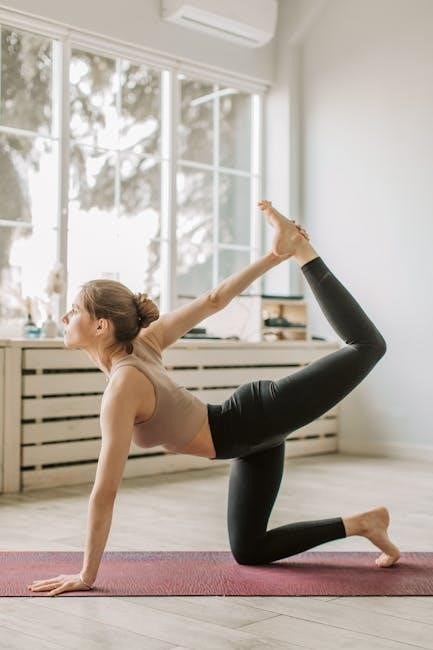
Include wrist and ankle rotations, neck stretches, and gentle twists to prepare the joints. Remember to listen to your body and modify poses as needed. The goal is to gradually increase blood flow and range of motion, creating a safe foundation for deeper poses.
Peak Poses & Transitions
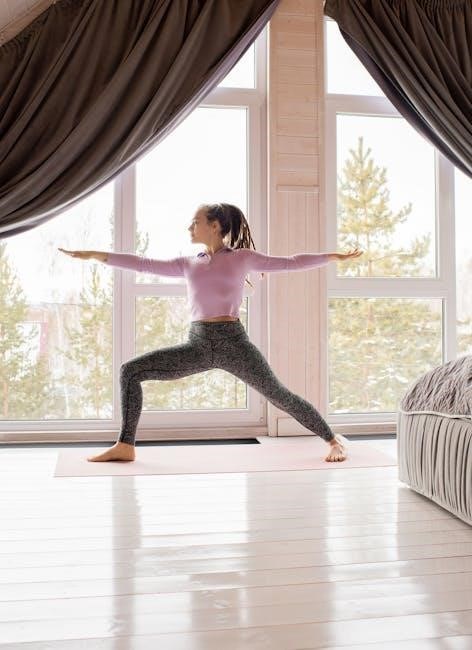
Peak poses represent the most challenging aspects of your yoga flow, demanding strength, flexibility, and balance. Common examples include Warrior poses (Virabhadrasana I, II, III), Triangle Pose (Trikonasana), and Backbends like Wheel Pose (Urdhva Dhanurasana). Carefully select poses aligned with your experience level.
Smooth transitions between poses are vital for maintaining flow and building heat. Utilize vinyasas – synchronized breath and movement sequences – like Chaturanga to connect poses seamlessly. Focus on mindful transitions, avoiding abrupt movements.
Pay attention to alignment and engage core muscles throughout. Modifications are key; use blocks or variations to support your practice. Remember to listen to your body and honor its limits. Transitions should feel fluid and controlled, preparing you for the cool-down phase.
Cool-down & Savasana
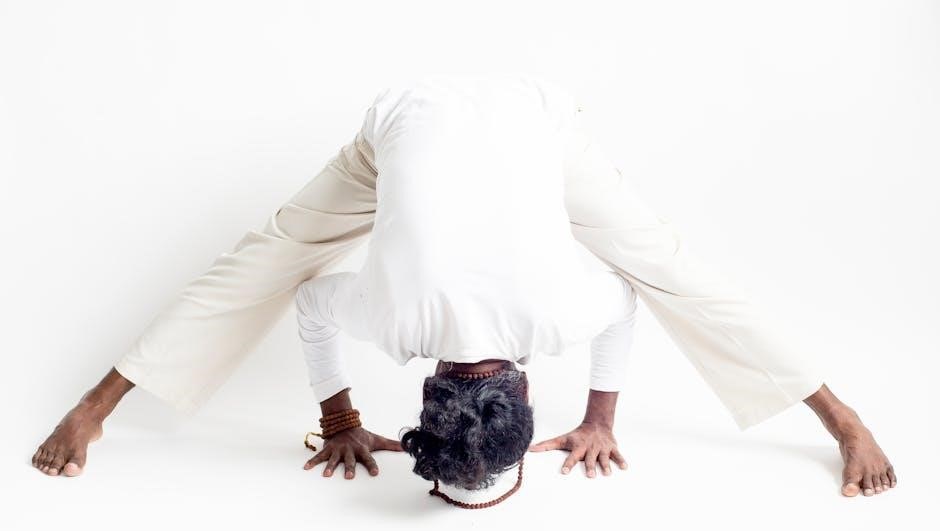
Cool-down poses gently release tension built during the flow, preparing the body for deep relaxation. Include seated forward folds (Paschimottanasana), gentle twists (Ardha Matsyendrasana), and reclined poses like Happy Baby (Ananda Balasana). Hold each pose for several breaths, focusing on softening muscles.
Savasana (Corpse Pose) is the final, crucial step. Lie flat on your back, arms relaxed by your sides, palms facing up. Close your eyes and consciously release all effort. Allow your breath to return to its natural rhythm.
Embrace the stillness and integrate the benefits of your practice. Savasana isn’t passive; it’s an active state of deep rest and restoration. Aim for at least 5-10 minutes, allowing your nervous system to calm and your body to fully absorb the practice.
Top Websites Offering Yoga Flow Sequence PDFs
Explore diverse resources like Amazon, Yoga with Kirsty Stewart, and various online platforms to access a wealth of downloadable yoga flow sequence PDFs.
These sites cater to all levels, providing convenient and accessible practice options.
Amazon & Digital Yoga Resources
Amazon.com serves as a vast marketplace for a multitude of yoga flow sequence PDFs, ranging from beginner-friendly introductions to advanced, challenging routines. You’ll find options catering to specific needs, like restorative yoga or power vinyasa, often available for immediate digital download.
Beyond individual PDFs, Amazon offers access to digital yoga resources, including books with embedded sequences and links to online platforms. The platform’s “Best Sellers” section can highlight currently popular choices, reflecting community trends and preferences.
Benefits include convenience, a wide selection, and customer reviews to guide your purchase. However, quality can vary, so carefully review descriptions and previews before committing. Look for PDFs offering clear instructions, detailed imagery, and modifications for different skill levels. Amazon’s Prime membership often provides free shipping and expedited delivery for physical yoga-related products, complementing your digital PDF practice.
Remember to explore beyond the main search results; often, independent yoga teachers and studios offer their sequences through Amazon’s Kindle Direct Publishing platform.
Yoga with Kirsty Stewart & PDF Examples
Kirsty Stewart Yoga (www.kirstystewart.yoga) provides accessible and thoughtfully designed yoga flow sequence PDFs, catering to various levels and durations. An example, a 60-minute Vinyasa Flow dated 22/09/2020, demonstrates her clear instructional style and focus on mindful movement.
Her PDFs typically begin with centering and warm-up poses, like Easy Pose (Sukhasana), gradually building towards more challenging postures and transitions. Detailed cues are provided for alignment and breathwork, encouraging students to listen to their bodies and modify as needed.
Kirsty’s approach emphasizes a connection between breath and movement, promoting both physical and mental wellbeing. Her sequences often include variations, making them suitable for diverse abilities. Contact for enquiries is available via enquirieskirstystewart.yoga.
These PDFs are valuable resources for self-practice, offering a structured and supportive framework. They exemplify how a dedicated yoga teacher can translate their expertise into a convenient and effective digital format.
Other Online Platforms & PDF Downloads
Beyond Amazon and individual instructors like Kirsty Stewart, numerous online platforms offer yoga flow sequence PDFs. Websites specializing in fitness and wellness frequently host downloadable content, ranging from free introductory flows to premium, in-depth programs.
YouTube channels dedicated to yoga often provide links to accompanying PDFs in their video descriptions, offering a complementary learning experience. Digital marketplaces also feature independent yoga teachers selling their curated sequences.
Exploring these diverse resources requires careful consideration of the instructor’s qualifications and the clarity of the PDF’s instructions.
Always prioritize PDFs with detailed pose breakdowns, modifications, and safety guidelines. Remember to check user reviews and sample pages before purchasing to ensure the content aligns with your practice level and preferences. A wealth of options awaits, empowering you to find the perfect flow for your needs.