
ASCE 7‑22 is the latest seismic and wind design standard for structural engineers. It sets load requirements, safety factors, and performance criteria for buildings and infrastructure. Understanding its scope is essential before seeking free PDF copies for study or project use. Download safely.!
Overview of the Standard
ASCE 7‑22, the American Society of Civil Engineers’ 2022 edition of the “Minimum Design Loads for Buildings and Other Structures,” replaces earlier versions to reflect advances in seismic, wind, and environmental load modeling. The document establishes the fundamental load categories—dead, live, wind, seismic, snow, and special loads—along with the equations and factors that govern their application in structural analysis. It introduces updated performance objectives, such as the new “seismic performance levels” that differentiate between life‑saving and damage‑control design goals. The standard also incorporates a more rigorous approach to load combinations, emphasizing the importance of probability and risk assessment in the design process. Engineers must interpret the load factors, exposure categories, and design spectra to ensure compliance with both code requirements and the intended use of the structure. The 2022 edition expands on the previous 2018 version by adding new tables for wind and seismic loads, clarifying the treatment of irregularities, and providing guidance on the use of advanced computational tools. These changes aim to improve safety, reduce uncertainty, and streamline the design workflow for complex projects. Understanding the scope, intent, and key updates of ASCE 7‑22 is essential for professionals who rely on the standard to produce safe, compliant, and efficient structural designs. This edition updates load combinations for high buildings.

Why ASCE 7-22 is Important for Engineers
ASCE 7‑22 provides the latest load criteria, ensuring structures meet safety, performance, and regulatory standards. Engineers rely on its updated seismic, wind, and load combination rules to design resilient, compliant buildings worldwide. They guide compliance and innovation globally now!
Key Applications and Benefits
ASCE 7‑22 is the backbone of modern structural design, offering a unified framework for load calculations, safety factors, and performance objectives. Its applications span commercial, residential, industrial, and infrastructure projects, ensuring that every building can withstand earthquakes, high winds, and other environmental forces. Engineers use the standard to determine design loads, develop load combinations, and select appropriate materials and detailing. The result is a consistent, defensible design that meets local and national regulations.
Key benefits include:
- Safety and Reliability: Updated seismic coefficients and wind pressure maps reduce uncertainty, leading to safer structures.
- Cost Efficiency: Optimized load paths and material usage lower construction costs while maintaining performance.
- Regulatory Compliance: Aligns with state and federal building codes, simplifying permitting and inspection processes.
- Design Flexibility: Supports innovative architectural forms through advanced load‑combination rules.
- Risk Management: Provides performance‑based criteria that help mitigate long‑term maintenance and insurance costs.
Accessing a free PDF of ASCE 7‑22 gives students, firms, and researchers a reliable reference for design calculations, code interpretation, and professional development. By studying the standard’s detailed tables, equations, and illustrative examples, practitioners can confidently apply the latest requirements to their projects, ensuring safety, compliance, and economic viability. Download the PDF for guidance and data now!!!

Legal and Licensing Considerations
ASCE 7‑22 is copyrighted. Distributing the PDF without permission violates U.S. copyright law. Use official channels or licensed copies. For educational purposes, request a temporary license or use the ASCE member portal. Always check local regulations before sharing. Legal review recommended!!!
Copyright and Distribution Laws
ASCE 7‑22 is a copyrighted technical document owned by the American Society of Civil Engineers. The Society’s licensing policy prohibits free distribution of the full text, including PDFs, without explicit permission. In the United States, the Copyright Act of 1976 protects such works, and unauthorized copying or sharing constitutes infringement. Even if a PDF is found online, downloading it from an unverified source can expose users to legal liability. Engineers and researchers should obtain the standard through legitimate channels: purchase a licensed copy from the ASCE website, use the ASCE member portal, or request a temporary license for academic purposes. Some universities provide institutional access via library subscriptions, permissible under the library’s license agreement. When a document is shared within a group, the “fair use” doctrine may apply only if the use is non‑commercial, transformative, and limited in scope; it does not cover bulk distribution. Additionally, the “Digital Millennium Copyright Act” (DMCA) imposes strict liability on anyone who knowingly facilitates circumvention of technical protection measures. This means providing links to pirated PDFs or hosting them on a website can be illegal. Engineers must also be aware of international treaties such as the Berne Convention, which extends copyright protection across borders. Violating these laws can result in civil penalties, injunctions, or even criminal charges. Therefore, it is essential to respect copyright, use authorized copies, and consult legal counsel if uncertain about permissible use. By following these guidelines, professionals can avoid infringement while accessing the necessary technical information for design and compliance purposes. for engineers.!!!
Finding Free PDF Sources
While the ASCE 7‑22 standard is copyrighted, some repositories host older drafts or public‑domain excerpts. Search academic portals, open‑access libraries, or government sites that provide engineering documents. Always verify the source’s legitimacy before downloading to avoid infringing copies.
Reputable Websites and Directories
Finding a free PDF of ASCE 7‑22 demands reliable sources that respect copyright and offer accurate, up‑to‑date documents. Below is a brief list of trusted platforms where engineers locate standards, reports, and academic papers. Each entry notes typical content and access method.
- Engineering Village (Compendex) – Aggregates peer‑reviewed engineering literature. Full PDFs usually need institutional access, but universities often provide guest portals or interlibrary loan for research use.
- National Technical Information Service (NTIS) – Publishes a wide range of technical reports. NTIS offers free downloads of many standards that have entered the public domain or are under open‑access licenses.
- Open Standards Library – Community‑driven repository of free engineering standards, guidelines, and handbooks. It hosts older editions of ASCE 7 and related wind‑load documents with commentary.
Always confirm that the PDF matches the latest ASCE 7‑22 edition. Some sites host older drafts or regional adaptations that may differ in load calculations or safety factors. If you belong to an academic institution, use your library’s interlibrary loan or digital portal for legitimate access. Independent professionals can rely on professional association memberships or standards database subscriptions to obtain the official PDF while staying compliant with copyright law. This approach ensures compliance and.

Downloading the PDF Safely
Use secure, verified links. Verify the site’s SSL certificate, check for “https” and a lock icon. Download from institutional portals or reputable libraries. Avoid file‑sharing sites that may host altered or pirated copies. Keep the PDF intact for citation. now
Step-by-Step Guide
- Open a trusted academic or public library portal that hosts engineering standards.
- Search for “ASCE 7‑22” or “ASCE 7 2022” using the portal’s search bar.
- Verify that the result lists the official ASCE title and publication year.
- Click the download link; the browser should prompt for a secure HTTPS connection.
- Before confirming, inspect the URL to ensure it ends with “.pdf” and is served from a reputable domain.
- Choose a local folder with ample space and click “Save.”
- After download, open the PDF with a trusted reader and check the document’s metadata for the ASCE copyright notice.
- Store a backup on a separate drive or cloud service to prevent data loss.
- When citing, use the official title, year, and publisher details as listed in the PDF’s front matter.
- Keep the PDF in a secure, access‑controlled location to comply with any licensing agreements.
- Verify the PDF’s checksum if the source provides one to ensure file integrity, and compare it against official ASCE checksum list.
- If the PDF is password-protected, use the provided key from the ASCE portal or contact for access.
- Maintain a record of downloads, noting the date, URL, and verification steps performed.
- Use a reputable PDF viewer that supports digital signatures to confirm the document’s authenticity if available.
- After downloading, archive the PDF in a secure, encrypted folder and set up a regular backup schedule to prevent accidental loss.

Alternative Access Options
Explore university libraries, professional societies, and government portals for legal copies. Many institutions offer free member access. Check ASCE member portal, local university collections, or national archives for PDFs. Verify authenticity before use careful.
Library, University, and Professional Associations
Many academic libraries maintain digital repositories that include engineering standards. Students and faculty can log in through campus credentials to download ASCE 7‑22 in PDF format. If you are not affiliated, request a guest access or use interlibrary loan services. Libraries often provide remote access via VPN or proxy servers, ensuring secure, authenticated downloads. Contact the reference desk for assistance; librarians can locate the standard in the ASCE collection or request it from partner institutions.
University engineering departments frequently subscribe to the ASCE database. Professors may share copies with students for coursework, provided the use complies with copyright policy. Check the department’s online resources or ask the lab manager. Some universities host the PDF in a shared drive, accessible only to enrolled students. Always verify the version number and publication date to ensure you are using the most recent edition.
Professional associations, such as the American Society of Civil Engineers, offer member discounts or free downloads for active members. Sign up for an ASCE membership and explore the member portal; many standards are available for download after login. Additionally, local chapters may provide workshops or study groups where the standard is reviewed. Attend these sessions to gain insights and clarify application questions.

Always cite the source and respect licensing terms.
Using ASCE 7-22 in Your Projects

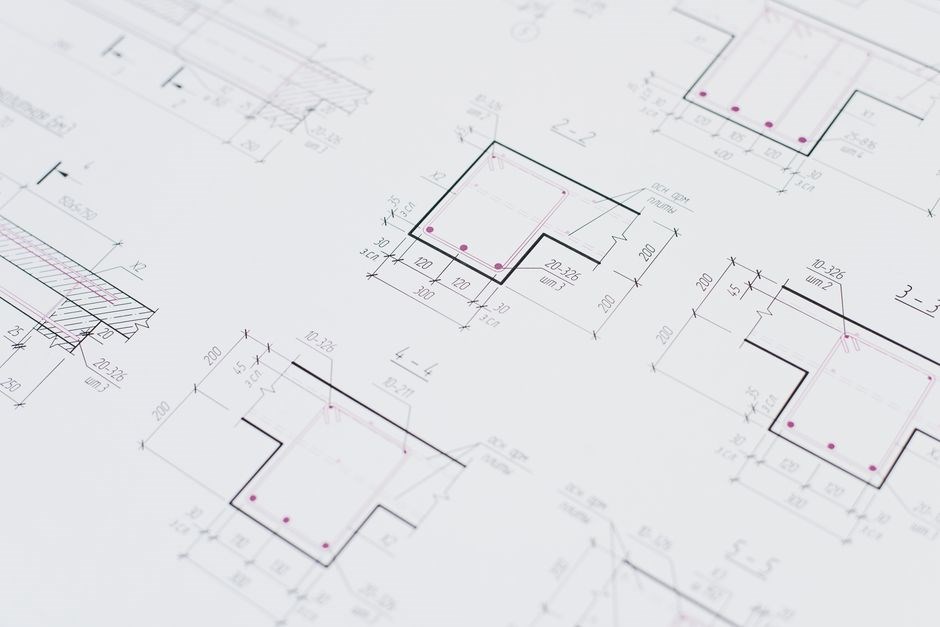
Use ASCE 7‑22 to set load cases, calculate design forces, and verify safety margins. Apply tables for wind, seismic, and snow loads. Cross‑check with local codes. Document assumptions, use software that references ASCE 7, and keep the PDF handy for reference during reviews. For tables, see PDF.
Practical Tips and Resources
When you need a copy of ASCE 7‑22, start by checking the American Society of Civil Engineers’ official portal. The site often offers a free preview or a limited‑time download for members. If you’re not a member, look for university libraries that provide electronic access; many institutions host the PDF in their digital repositories.
- Use search engines with the exact phrase “ASCE 7‑22 PDF free download” and filter results to reputable academic or engineering sites.
- Check engineering forums and discussion boards; members sometimes share links to legally obtained copies.
- Always verify the file’s integrity by comparing the checksum or by opening the PDF to ensure it is complete and not corrupted.
Once you have the PDF, keep it organized: store it in a project folder, label the file with the year, and back it up to a cloud service. When referencing the standard in your design calculations, cite the exact section and page number to maintain clarity. If you use software that incorporates ASCE 7 data, ensure it is updated to the 2022 edition to avoid discrepancies.
For quick reference, many engineers create a summary sheet that lists key load tables, safety factors, and design equations. This sheet can be printed or kept on a tablet for on‑site use. Additionally, consider subscribing to engineering newsletters that highlight updates and provide downloadable resources.
Verify the PDF’s authenticity before use!!