Echo CS-400 Chainsaw Manual: A Comprehensive Guide
This comprehensive guide details the Echo CS-400 chainsaw, covering safety, assembly, operation, maintenance, and troubleshooting. Downloadable PDF versions are readily available online.
The Echo CS-400 is a powerful 40.2cc, 2-stroke cycle chainsaw designed for both professional and homeowner use. This manual provides essential information for safe and efficient operation. Understanding its components and adhering to safety precautions are crucial.
Operators must read and comprehend all instructions before use, as the engine exhaust contains chemicals known to cause harm. Replacement manuals are available through authorized Echo dealers or online resources in PDF format, ensuring continued access to vital information.
Safety Precautions and Warnings
Always prioritize safety when operating the Echo CS-400. Hold the chainsaw firmly with both hands, and be aware of potential kickback. Ensure a secure footing and clear work area. Never operate the saw with a damaged chain or guard.
The engine exhaust contains harmful chemicals; use in well-ventilated areas. Read the operator’s manual thoroughly before each use. Failure to follow these precautions could result in serious injury. Competent service personnel should handle complex repairs.
Understanding the Chainsaw Components
The Echo CS-400 features a 40.2cc 2-stroke engine powering an 18-inch bar. Key components include the engine, fuel tank, chain, guide bar, and anti-vibration system. Proper identification of these parts is crucial for maintenance and repair. Familiarize yourself with the location of the starter, choke, and throttle controls.
Understanding how these components interact ensures safe and efficient operation. Refer to the manual for detailed diagrams and explanations of each part’s function.
Key Parts Identification
Essential components of the Echo CS-400 include the sprocket cover, chain catcher, and guide bar. Locate the air filter cover, spark plug, and recoil starter assembly. Identify the throttle trigger, choke lever, and on/off switch. Recognize the fuel tank, oiler, and anti-vibration mounts.
Knowing these parts aids in maintenance and repairs. Consult the manual’s diagrams for precise locations and names. Proper identification prevents incorrect servicing and potential damage.
Chainsaw Specifications (CS-400)
The Echo CS-400 boasts a 40.2cc gas 2-stroke engine, delivering robust power. Its 18-inch bar length provides ample cutting capacity. Fuel capacity is 13.5 fl. oz (399 ml), while the oil capacity reaches 6.8 fl. oz (200 ml). Weight (dry) is approximately 9.8 lbs (4.4 kg).
These specifications ensure efficient performance. Understanding these details is crucial for proper fuel mixing and operation. Refer to the manual for complete technical data.
Assembly Instructions
Before first use, careful assembly is essential for safe operation. This involves attaching the guide bar securely, ensuring proper alignment. Next, install the chain, meticulously adjusting tension for smooth running and preventing derailment. Always consult the operator’s manual for detailed diagrams.
Incorrect assembly can lead to malfunctions or injury. Double-check all connections before fueling or starting the chainsaw. Proper assembly guarantees optimal performance and longevity.
Attaching the Guide Bar
Begin by positioning the guide bar onto the chainsaw’s mounting studs, ensuring the drive links face the correct direction. Secure it with the bar nut, tightening it initially by hand. Then, use the wrench to fully tighten, but avoid over-tightening, which can damage the bar or sprocket.
Verify the bar rotates freely before proceeding. Proper bar attachment is crucial for safe and efficient cutting. Refer to the manual’s illustrations for correct orientation and torque specifications.
Chain Installation and Tensioning
Install the chain around the guide bar, ensuring the cutting edges face the correct direction. Align the drive links with the bar’s drive links. Adjust chain tension using the tensioning screw, aiming for slight deflection when lifted midway along the bar.
Proper tension prevents derailment and ensures efficient cutting. Check tension frequently, especially during initial use, as it changes with temperature and wear. Avoid excessive tightness, which can damage the sprocket and bar.
Fueling and Mixing
Use a precise fuel mixture of gasoline and 2-stroke engine oil for optimal performance. Echo recommends a 50:1 ratio – 50 parts gasoline to 1 part high-quality 2-stroke oil. Always use fresh fuel and avoid mixtures exceeding 30 days old.
Ensure proper mixing by adding oil to the gasoline first, then thoroughly shaking the container. Fuel the chainsaw in a well-ventilated area, away from sparks or flames, and avoid overfilling the tank.

Recommended Fuel Mixture Ratio
Echo specifically recommends a 50:1 fuel-to-oil ratio for the CS-400 chainsaw. This translates to 50 parts of unleaded gasoline (87 octane or higher) combined with 1 part of a high-quality, JASO FD or ISO-L-EGD certified 2-stroke engine oil.
Using the correct ratio is crucial for engine longevity and performance. Deviation from this ratio can lead to engine damage or failure. Always double-check your measurements for accuracy.
Fueling Procedures
Before fueling, ensure the chainsaw is switched off and cool. Clean the fuel tank cap area to prevent debris from entering the fuel system. Slowly remove the cap to release any pressure; Carefully pour the pre-mixed fuel into the tank, avoiding spillage.
Do not overfill; leave some space for expansion. Securely tighten the fuel cap after fueling. Wipe up any spilled fuel immediately. Never fuel a hot engine!
Starting the Chainsaw
Prior to starting, confirm the chain brake is engaged and the chainsaw is on a firm, level surface. Activate the choke for cold starts, and follow the designated starting sequence. Gently pull the starter cord until the engine attempts to ignite. Disengage the choke once running.
For warm starts, the choke may not be necessary. Maintain a firm grip during starting. If it fails, repeat the process, checking fuel levels and spark plug condition.
Cold Start Procedure
Ensure the chainsaw is on a stable surface with the chain brake engaged. Activate the choke lever, enriching the fuel mixture for a cold engine. Slowly pull the starter cord repeatedly until you feel resistance, then pull briskly. Once the engine sputters, disengage the choke.

Continue pulling the starter cord until the engine runs steadily. Allow the engine to warm up before applying a load. Always maintain a firm grip during the starting process.
Warm Start Procedure
With a warm engine, the choke lever typically isn’t needed. Ensure the chain brake is engaged for safety. Firmly hold the chainsaw and pull the starter cord with a smooth, deliberate motion. The engine should start with minimal effort due to retained heat.
If it doesn’t start easily, briefly engage the choke and try again. Avoid excessive pulling, which can flood the engine. Always maintain a secure grip during the starting sequence.
Operational Instructions
Always inspect the chainsaw before each use, checking chain tension and safety features. Maintain a firm grip with both hands, keeping a safe distance from the cutting area. Use proper cutting techniques, avoiding forcing the chain.
Be aware of potential kickback zones and utilize appropriate safety gear. Ensure a stable stance and clear work area. Regularly inspect the chain for sharpness and damage during operation.
Proper Cutting Techniques
Employ a firm, two-handed grip, maintaining control throughout the cut. Utilize the lower portion of the guide bar for increased stability and precision. Avoid twisting or forcing the chainsaw, letting the chain do the work.
Plan your cuts carefully, considering wood grain and potential binding. Maintain a safe distance from your body and surrounding objects. Always be aware of the chainsaw’s kickback zone.
Avoiding Kickback
Kickback occurs when the guide bar’s upper quadrant contacts an object, potentially causing a rapid, uncontrolled reaction. Maintain a firm grip with both hands, keeping your thumbs wrapped around the handles. Never overreach or cut above shoulder height.
Be acutely aware of the kickback zone. Ensure the chain is sharp and properly tensioned. Avoid pinching the bar, and always stand to the side of the cutting path for maximum safety.
Chain Saw Maintenance
Regular maintenance is crucial for optimal performance and longevity of your Echo CS-400. Prioritize chain sharpening to ensure clean, efficient cuts and reduce strain on the engine. Inspect the guide bar frequently for wear and damage, cleaning it thoroughly after each use.
Additionally, maintain proper chain tension and lubrication. Address any issues promptly to prevent further damage and ensure safe operation. Competent service personnel should handle complex repairs.
Chain Sharpening Guide
Maintaining a sharp chain is vital for safe and efficient cutting with your Echo CS-400. Use a round file of the correct size, following the existing angle of the cutting teeth. Ensure each tooth is filed evenly to maintain balance.
Depth gauges require occasional filing to match the cutter height. Regular sharpening prevents excessive force, reduces kickback risk, and extends chain life. If unsure, consult a professional for sharpening services.
Bar Maintenance and Cleaning
Proper bar maintenance ensures smooth chain operation and prolongs its lifespan on your Echo CS-400. Regularly clean the bar groove to remove sawdust and debris, preventing binding and wear. Inspect the bar rails for burrs or damage, filing them smooth if needed.
Periodically flip the bar to distribute wear evenly. Lubricate the bar and chain frequently during use with recommended bar and chain oil. A well-maintained bar contributes to efficient cutting and reduces strain on the engine.
Troubleshooting Common Issues
Addressing issues promptly keeps your Echo CS-400 running efficiently. If the engine won’t start, check fuel levels, spark plug condition, and air filter cleanliness. A chain stopping during cutting may indicate insufficient chain tension or a clogged bar groove.

Ensure proper fuel mixture and carburetor adjustment. Consult the manual for detailed diagnostics and solutions. Competent service personnel should handle complex repairs beyond basic troubleshooting steps.
Engine Won’t Start
If your Echo CS-400 fails to start, first verify adequate, fresh fuel and the correct mixture ratio. Inspect the spark plug for fouling or damage, replacing if necessary. Confirm the air filter is clean, allowing proper airflow. Check the choke and throttle settings, ensuring correct operation.
A flooded engine may require repeated pull starts with the throttle open. Consult the manual for specific troubleshooting steps and diagrams.
Chain Stops During Cutting
If the chain halts mid-cut, immediately stop the engine and disconnect the spark plug wire. Inspect the chain for proper tension; a loose chain frequently binds. Examine the guide bar for damage or debris accumulation, cleaning as needed. Verify adequate chain lubrication—insufficient oil causes excessive friction.
Check for embedded objects obstructing the chain’s path. Refer to the manual for detailed diagrams and safety precautions before resuming operation.
Air Filter Maintenance
Regular air filter maintenance is crucial for optimal engine performance. Inspect the filter before each use, cleaning it if dusty or dirty. Tap it gently to remove loose debris, or wash with mild soap and water, ensuring it’s completely dry before reinstalling.
Replace the filter when damaged or excessively soiled; a clogged filter restricts airflow. Consult your Echo CS-400 manual for the correct filter part number and replacement instructions.
Cleaning the Air Filter
To clean the air filter, carefully remove it from the air filter cover. Gently tap the filter on a hard surface to dislodge loose dirt and debris. For more thorough cleaning, wash the filter in warm, soapy water—use a mild detergent.
Rinse thoroughly and allow the filter to air dry completely before reinstalling. Never use compressed air or solvents, as these can damage the filter material.
Replacing the Air Filter
To replace the air filter, first, remove the air filter cover. Carefully take out the old, dirty filter. Ensure the new filter is the correct replacement part for your Echo CS-400.
Install the new filter, making sure it seats properly within the air filter housing. Reattach the air filter cover, ensuring a secure fit. Regular replacement maintains optimal engine performance and prolongs chainsaw life.
Spark Plug Maintenance
Regular spark plug maintenance is crucial for reliable Echo CS-400 operation. Inspect the plug periodically for fouling, wear, or damage. A properly functioning spark plug ensures efficient combustion and easy starting.
If the plug is dirty, clean it with a wire brush. If damaged or worn, replace it with the correct Echo specified spark plug. Ensure the gap is set correctly before installation for optimal performance.
Inspecting the Spark Plug
Regular inspection of the Echo CS-400 spark plug is vital. Remove the plug and examine the electrode for carbon buildup, oil fouling, or signs of wear. Check the porcelain insulator for cracks or damage.
A healthy plug will have a tan or light gray color. Black, oily, or heavily carboned plugs indicate potential engine issues. Replace the plug if any significant damage or fouling is observed to maintain optimal performance.
Replacing the Spark Plug
To replace the Echo CS-400 spark plug, disconnect the spark plug wire. Use a spark plug wrench to remove the old plug, ensuring it’s properly gapped to the manufacturer’s specification – typically 0.030 inches.
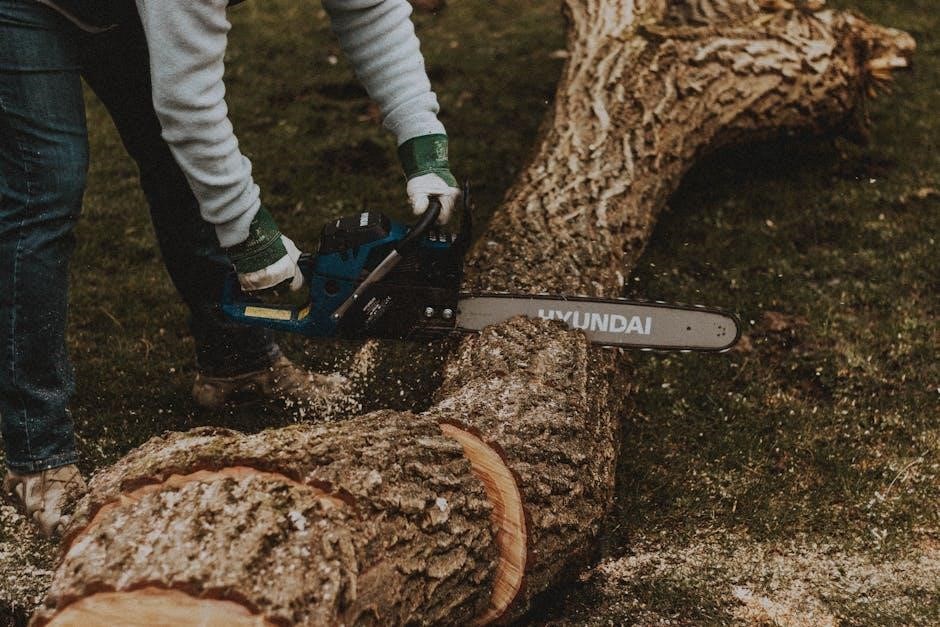
Install the new spark plug, hand-tightening it first to avoid cross-threading. Then, tighten it securely with the wrench. Reconnect the spark plug wire, ensuring a firm connection. This maintains reliable engine ignition.
Carburetor Adjustment
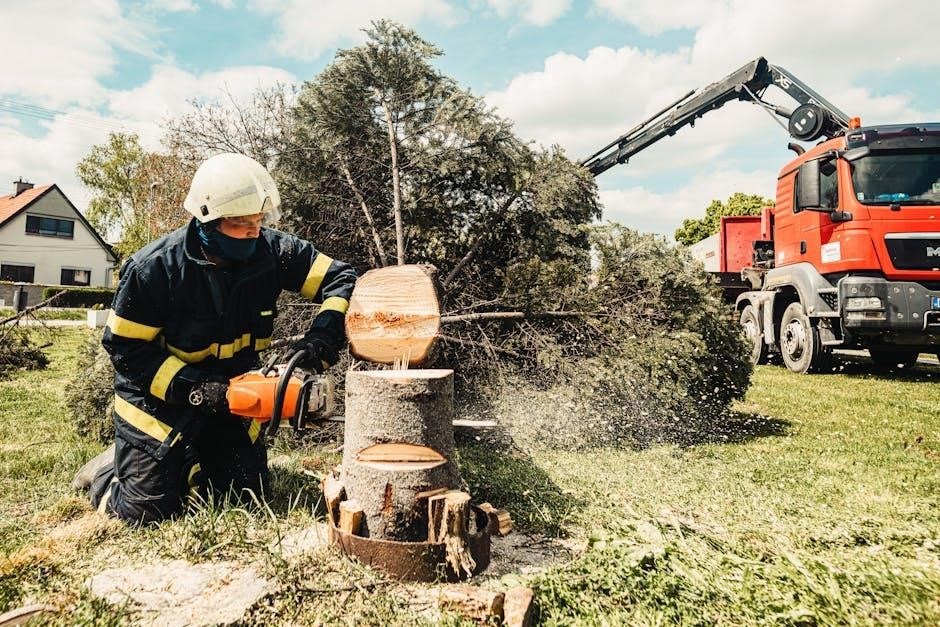
Carburetor adjustments on the Echo CS-400 impact fuel mixture, affecting engine performance. Identify the high and low-speed adjustment screws. Start with the engine warm, and adjust the idle speed screw for smooth running.
Fine-tune the mixture screws for optimal performance – lean for higher speeds, richer for easier starting. Improper adjustments can cause issues; consult a qualified technician if unsure.
Identifying Carburetor Components
The Echo CS-400 carburetor features key components crucial for fuel-air mixture control. Locate the adjustable screws – idle speed, high-speed, and mixture control. Recognize the fuel inlet, throttle valve, and air intake passages.
Understand the function of the carburetor diaphragm and its role in fuel delivery. Proper identification is vital before attempting any adjustments or repairs. Refer to diagrams for accurate component placement.
Basic Carburetor Adjustments
Adjusting the carburetor requires careful attention to detail. Start by warming up the engine. Turn the idle speed screw to achieve a smooth, stable idle. Fine-tune the mixture control screw for optimal performance – lean for higher speeds, rich for lower.
Monitor engine response during adjustments. Avoid overly lean mixtures, which can cause overheating. Consult the manual for specific settings and proceed cautiously.
Storage and Transport
For long-term storage, drain the fuel tank completely and run the engine until it stalls to empty the carburetor. Clean the chainsaw thoroughly and apply a light coating of oil to metal surfaces. Store in a dry, secure location, away from children.
When transporting, always engage the chain brake and use a scabbard to cover the bar. Secure the chainsaw properly to prevent movement and potential injury.
Long-Term Storage Procedures
Prior to extended storage, completely drain the fuel tank to prevent carburetor issues. Run the engine until it stops to clear remaining fuel. Clean the chainsaw thoroughly, removing debris and sawdust. Apply a light oil coating to all metal components to inhibit rust formation.
Store the chainsaw in a dry, secure, and well-ventilated area, inaccessible to children. Remove the spark plug wire for added safety during storage.
Safe Transport Guidelines
Always engage the chain brake before transporting the Echo CS-400. Utilize a scabbard to cover the chain and bar, preventing accidental contact. Ensure the engine is completely cooled down before transport. Secure the chainsaw properly in a vehicle to prevent shifting during travel.
Never transport a running chainsaw. Comply with all local regulations regarding chainsaw transport. Keep the chainsaw away from flammable materials during transport.
Obtaining Replacement Manuals and Parts
Replacement manuals are readily available through authorized Echo dealers. Contact your local dealer with the model number (CS-400) for assistance; Numerous online resources offer downloadable PDF versions of the manual, providing convenient access. Genuine Echo parts ensure optimal performance and longevity.
Visit the Echo website or reputable parts retailers for component sourcing. Always verify part compatibility before purchasing. Prioritize original Echo parts for reliable operation.
Contacting Echo Dealers
Locate authorized Echo dealers through the official Echo website’s dealer locator tool. Input your zip code to find nearby service centers and parts suppliers. Dealers can provide replacement manuals, genuine parts, and expert service for your CS-400 chainsaw.
Contact them directly via phone or visit their physical location. Inquire about specific manual requests or part numbers. Dealer assistance ensures proper fit and functionality.
Online Resources for Manuals (PDF)
Access the Echo CS-400 chainsaw manual in PDF format through various online platforms. Manualzz and the official Echo website host downloadable versions. View or download the 36-page instruction manual directly. Ensure you obtain the correct version for your specific model.
These resources offer convenient access to troubleshooting guides and safety information. Digital manuals are ideal for quick reference and portability.