Donna Gilliland’s guide expertly navigates social media event marketing, offering a strategic playbook for boosting business profits and maximizing event reach in today’s digital landscape.
The Evolving Landscape of Event Promotion
Event promotion has dramatically shifted with the rise of social media, moving beyond traditional methods. Donna Gilliland’s guide highlights this transformation, emphasizing how platforms now serve as central hubs for engagement and visibility.
Previously reliant on print and broadcast, marketers now leverage social media’s global reach to connect directly with potential attendees. This evolution demands a strategic approach, focusing on compelling content and targeted advertising. Gilliland’s expertise underscores the importance of adapting to these changes, utilizing tools and techniques to maximize event impact and drive ticket sales effectively in this dynamic environment.
Donna Gilliland’s Expertise in Digital Marketing
Donna Gilliland is a recognized authority in digital marketing, specializing in workforce productivity through platforms like Microsoft Office 365, Google, and social media. As the founder of MOSTraining, Incorporated, she delivers customized training solutions to businesses.
Her expertise extends to event marketing, as evidenced by her comprehensive guide. Gilliland was notably featured by NOW Marketing Group among the “65 Women in Digital You Should Be Following” in both 2021 and 2022, solidifying her position as a leading voice. She empowers companies to leverage digital tools for increased engagement and success.
Pre-Event Social Media Strategies
Donna Gilliland’s guide stresses leveraging social media to build anticipation, reach wider audiences, and effectively engage potential attendees before your event begins.
Defining Event Goals and Target Audience
Donna Gilliland’s guide emphasizes that successful social media event marketing begins with clearly defined objectives. Before launching any campaign, pinpoint precisely what you aim to achieve – increased ticket sales, brand awareness, lead generation, or attendee engagement.
Crucially, identify your ideal attendee. Understand their demographics, interests, and online behavior. This knowledge informs your content strategy and platform selection. Tailor messaging to resonate with this specific audience, ensuring relevance and maximizing impact.
Gilliland’s approach highlights that a focused target audience, combined with measurable goals, forms the foundation for a highly effective social media strategy, driving optimal results for your event.
Platform Selection: Choosing the Right Social Channels
Donna Gilliland’s guide stresses that selecting the appropriate social media platforms is vital for reaching your target audience. Not all channels are created equal; consider where your ideal attendees spend their time online.
Facebook excels for broad reach and event creation features, while Instagram thrives on visual content, perfect for showcasing event experiences. LinkedIn is ideal for professional events, targeting industry leaders. Twitter facilitates real-time updates and engagement.
Gilliland advises aligning platform choice with event type and audience demographics. A strategic approach, focusing on channels where your target audience is most active, maximizes visibility and engagement, ensuring a successful campaign.
Creating a Content Calendar for Event Promotion
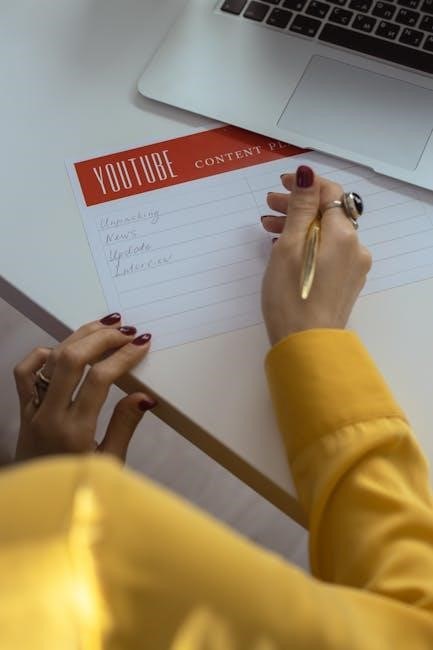
Donna Gilliland’s guide emphasizes the importance of a well-structured content calendar for consistent social media event promotion. This calendar should map out posts leading up to, during, and after the event, ensuring a steady stream of engaging content.
Plan diverse content types – images, videos, polls, and behind-the-scenes glimpses. Schedule posts strategically, considering peak engagement times on each platform. A calendar prevents last-minute scrambling and maintains momentum.
Gilliland suggests incorporating key dates like ticket launch, speaker announcements, and event reminders. A detailed calendar keeps your promotion organized and maximizes audience reach.
Hashtag Research and Implementation
Donna Gilliland’s guide highlights the critical role of hashtag research for expanding event visibility. Effective hashtags categorize content and increase discoverability on social media platforms.
Research industry-specific, event-related, and branded hashtags. Combine broad and niche tags to reach diverse audiences. Monitor trending hashtags to capitalize on current conversations. Avoid overly generic tags that get lost in the noise.
Implement hashtags strategically within posts, but avoid excessive use; Create a unique event hashtag to encourage attendee participation and track conversations. Gilliland stresses consistent hashtag usage across all platforms.
Content Creation for Social Media Events
Donna Gilliland’s guide emphasizes compelling visuals and descriptions to build anticipation, engage audiences, and create memorable experiences through social media event promotion.
Engaging Visual Content: Images and Videos
Donna Gilliland’s guide highlights the critical role of visually appealing content in social media event marketing. High-quality images and videos are essential for capturing attention and conveying the event’s atmosphere.
Utilize vibrant, professional-looking visuals that showcase the event’s key features and benefits. Short, engaging video clips – think event previews, speaker spotlights, or behind-the-scenes glimpses – can significantly boost engagement.
Remember to optimize visuals for each platform; Instagram and TikTok thrive on video, while Facebook and LinkedIn benefit from a mix of both. Consistent branding across all visual assets reinforces event identity and builds recognition. Visual storytelling is key to driving attendance!
Crafting Compelling Event Descriptions
Donna Gilliland’s expertise emphasizes that event descriptions on social media must be concise, captivating, and benefit-driven. Avoid lengthy paragraphs; instead, focus on highlighting the unique value proposition for attendees.
Clearly state the event’s purpose, key speakers, and anticipated outcomes. Use strong action verbs and persuasive language to create a sense of urgency and excitement. Include relevant keywords to improve searchability.
Tailor the description to each platform’s character limits and audience. A compelling description isn’t just informative; it inspires potential attendees to learn more and register!
Behind-the-Scenes Content: Building Anticipation
Donna Gilliland advocates for leveraging behind-the-scenes content to generate excitement before an event. This strategy humanizes the experience and fosters a stronger connection with potential attendees.
Share glimpses of event preparations – venue setup, speaker rehearsals, or team meetings. Utilize social media stories and short videos to offer exclusive sneak peeks.
Introduce key personnel and highlight their expertise. Run countdowns and teasers to build anticipation. This approach not only creates buzz but also demonstrates the effort and value invested in the event, encouraging greater participation.
Live Video Strategies: Q&A Sessions and Event Previews
Donna Gilliland emphasizes the power of live video for engaging audiences. Host Q&A sessions with speakers or organizers to address attendee questions and build excitement.
Offer exclusive event previews, showcasing the venue, entertainment, or key highlights. Utilize platforms like Facebook Live, Instagram Live, or YouTube Live to reach a wider audience.
Promote these live sessions in advance to maximize viewership. Encourage real-time interaction through comments and polls. Live video creates a sense of immediacy and fosters a stronger connection with potential attendees, driving event registrations.

Social Media Advertising for Events
Donna Gilliland’s guide highlights targeted social media advertising – Facebook, Instagram, LinkedIn, and Twitter – as crucial for maximizing event visibility and driving ticket sales.
Facebook Event Ads: Targeting and Budgeting
Donna Gilliland’s guide emphasizes Facebook Event Ads as a powerful tool, but stresses the importance of precise targeting. Leveraging Facebook’s detailed demographic and interest-based options ensures ads reach the most relevant potential attendees.
Effective budgeting is also key. Gilliland advises starting with a modest budget and closely monitoring ad performance, adjusting bids and targeting based on results. A/B testing different ad creatives and copy is crucial for optimization.
Understanding Facebook’s algorithm and utilizing retargeting options – showing ads to users who have already interacted with your event page – can significantly improve conversion rates and maximize return on investment. Careful planning and consistent analysis are vital for success.
Instagram Ads: Utilizing Stories and Reels
Donna Gilliland’s guide highlights Instagram’s visual nature, advocating for compelling ads within Stories and Reels. These formats offer high engagement, particularly with younger audiences. Utilizing eye-catching imagery and short, impactful video content is paramount.
Gilliland recommends leveraging Instagram’s targeting capabilities, similar to Facebook, to reach specific demographics and interests. Experimenting with different ad formats – single image, carousel, video – is crucial for identifying what resonates best.
Strategic use of hashtags and location tags increases visibility. Tracking key metrics like reach, engagement, and click-through rates allows for continuous optimization and improved ad performance, maximizing event promotion.
LinkedIn Event Promotion: Reaching Professional Audiences
Donna Gilliland’s expertise emphasizes LinkedIn’s power for reaching professional demographics. Her guide suggests crafting event promotions tailored to industry-specific interests and career goals. LinkedIn Event Ads allow precise targeting based on job title, company, skills, and groups.
Content should focus on the professional development opportunities offered by the event, highlighting speakers, workshops, and networking potential. Thought leadership pieces and articles related to the event’s theme can also drive engagement.
Gilliland advises monitoring LinkedIn analytics to assess ad performance and refine targeting strategies, ensuring maximum ROI and attendance from a qualified professional audience.
Twitter Ads: Real-Time Engagement and Updates
Donna Gilliland’s guide highlights Twitter’s strength in delivering real-time updates and fostering immediate engagement during events. Utilizing Twitter Ads allows for targeted promotion based on interests, keywords, and even event attendees’ followers.
She recommends employing promoted tweets to amplify key event announcements, speaker highlights, and live session updates. Encourage attendees to use a dedicated event hashtag for live tweeting and Q&A sessions.
Gilliland stresses the importance of monitoring the event hashtag and responding to mentions promptly, creating a dynamic and interactive experience for both online and in-person participants.
During-Event Social Media Engagement
Donna Gilliland emphasizes live tweeting, Instagram Stories, and encouraging user-generated content to maximize event interaction and create a dynamic online experience.
Live Tweeting and Instagram Stories
Donna Gilliland’s guide highlights the power of real-time engagement during events through platforms like Twitter and Instagram. Live tweeting provides instant updates, quotes, and behind-the-scenes glimpses, fostering a sense of immediacy and inclusivity for both attendees and those following remotely.
Instagram Stories offer a visually compelling way to share event highlights, short video clips, and interactive polls. Utilizing these features encourages active participation and extends the event’s reach beyond the physical location. Consistent, engaging content keeps the audience connected and amplifies the overall event experience, driving further interest and potential attendance for future events.
Encouraging User-Generated Content
Donna Gilliland’s expertise emphasizes leveraging attendees as brand advocates. Encourage user-generated content (UGC) by creating a dedicated event hashtag and prompting attendees to share their experiences on social media. Contests and giveaways tied to hashtag usage can further incentivize participation.
Showcasing UGC on official event channels amplifies reach and builds authenticity. Reposting attendee photos and videos demonstrates appreciation and fosters a sense of community. UGC provides valuable social proof, influencing potential attendees and extending the event’s impact long after it concludes, creating lasting engagement.
Monitoring Social Media for Feedback
Donna Gilliland’s guide highlights the importance of real-time social listening during events. Actively monitor event hashtags and mentions to gauge attendee sentiment and identify any emerging issues. Promptly address concerns or questions raised on social media to demonstrate responsiveness and care.
Social media monitoring provides invaluable insights into what attendees are enjoying and what could be improved. This feedback loop allows for immediate adjustments to enhance the event experience. Analyzing post-event social conversations informs future event planning, ensuring continuous improvement and attendee satisfaction;
Post-Event Social Media Follow-Up
Donna Gilliland’s guide stresses sharing event highlights – photos, videos, and thank you posts – to maintain engagement and nurture relationships with attendees.
Thank You Posts and Event Recap
Donna Gilliland’s guide emphasizes the crucial role of post-event gratitude. Crafting sincere thank you posts acknowledging attendees, speakers, and sponsors fosters goodwill and strengthens community bonds. These posts shouldn’t just be perfunctory; personalize them where possible!
Alongside thank you messages, a comprehensive event recap is vital. Share key highlights, impactful moments, and overall event successes. Utilize compelling visuals – photos and short video clips – to reignite the experience for those who attended and entice those who missed it.
A well-executed recap extends the event’s lifespan on social media, keeping the conversation alive and building anticipation for future gatherings. Remember to include a call to action, such as encouraging attendees to share their own experiences!
Sharing Event Photos and Videos
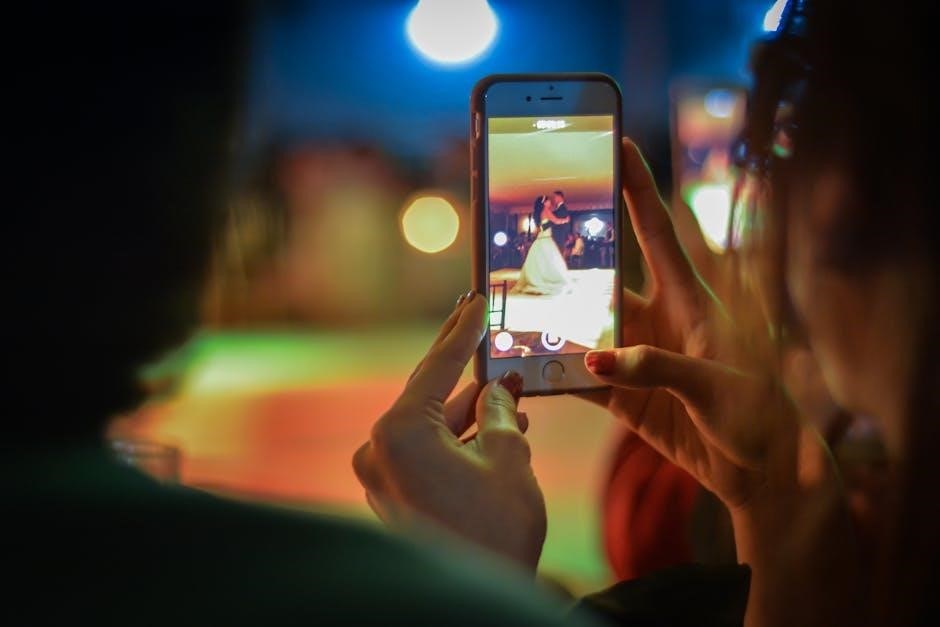
Donna Gilliland’s expertise highlights the power of visual content. High-quality event photos and videos are essential for extending the event’s reach and impact on social media. Prioritize capturing key moments – keynote speakers, networking sessions, and attendee engagement.
Don’t just post static images; create short, engaging video clips showcasing the event’s atmosphere and energy; Utilize platforms like Instagram Reels and TikTok for wider distribution. Ensure all visuals are branded consistently with the event’s identity.
Encourage attendees to share their own photos and videos using the event hashtag, amplifying the content and fostering a sense of community. Tag relevant speakers and sponsors in your posts for increased visibility!
Analyzing Social Media Metrics and ROI
Donna Gilliland’s guide emphasizes data-driven decision-making. Post-event, meticulously analyze key performance indicators (KPIs) to assess social media campaign effectiveness. Track metrics like reach, engagement, website traffic, and ticket sales attributed to social channels.
Utilize social media analytics tools to generate comprehensive reports. Calculate the return on investment (ROI) by comparing campaign costs to revenue generated. Identify which platforms and content formats performed best.
This analysis informs future event marketing strategies, allowing for optimization and improved results. Understanding what resonated with your audience is crucial for maximizing impact.
Gathering Attendee Feedback for Future Events
Donna Gilliland’s approach highlights the importance of continuous improvement. Post-event, leverage social media to actively solicit attendee feedback. Utilize polls, surveys, and direct messaging to gather insights into their experience.
Monitor social channels for mentions and comments, paying attention to both positive and negative sentiments. Ask specific questions about event content, logistics, and overall satisfaction.
This valuable feedback informs future event planning, ensuring you deliver increasingly engaging and relevant experiences. Analyzing attendee responses allows for targeted adjustments and optimization.
Leveraging Influencers in Event Marketing
Donna Gilliland emphasizes identifying relevant influencers to collaborate with for event promotion, expanding reach and engaging new audiences through their established platforms.
Identifying Relevant Influencers
Donna Gilliland’s guide stresses the importance of pinpointing influencers whose audience aligns directly with your event’s target demographic. This isn’t simply about follower count; genuine engagement and relevance are paramount.
Consider micro-influencers – individuals with smaller, highly-engaged communities – as they often deliver stronger ROI. Research potential collaborators’ past content to ensure brand compatibility and authenticity. Look for influencers who actively participate in conversations related to your event’s theme or industry.
Utilize social listening tools to discover individuals already discussing relevant topics. Thorough vetting is crucial to avoid partnering with influencers who have questionable reputations or inauthentic followers.
Collaborating with Influencers for Promotion
Donna Gilliland’s approach to influencer collaboration emphasizes mutually beneficial partnerships. Avoid simply requesting promotion; instead, offer value – exclusive access, behind-the-scenes content, or a unique experience at the event.
Clearly define expectations in a contract, outlining deliverables, timelines, and compensation. Encourage influencers to create authentic content that resonates with their audience, rather than providing rigid scripts.
Consider co-creating content, such as live Q&A sessions or event previews. Track influencer performance using unique tracking links and discount codes to measure ROI effectively. Foster long-term relationships for continued collaboration.

Tools and Technologies for Social Media Event Marketing
Donna Gilliland’s guide highlights social media management platforms and event registration integrations as crucial tools for streamlining workflows and maximizing event promotion.
Social Media Management Platforms
Donna Gilliland’s expertise emphasizes leveraging social media management platforms to efficiently orchestrate event marketing campaigns; These tools are indispensable for scheduling posts across multiple channels, ensuring consistent messaging and maximizing reach.
Platforms like Hootsuite, Buffer, and Sprout Social allow marketers to centralize their social activity, monitor brand mentions, and analyze performance metrics. This streamlined approach saves valuable time and resources, enabling teams to focus on content creation and audience engagement.
Furthermore, these platforms often offer collaborative features, facilitating seamless teamwork and ensuring everyone stays aligned with the overall event marketing strategy. Utilizing these technologies is key to a successful and impactful campaign.
Event Registration and Ticketing Integration
Donna Gilliland’s guide highlights the crucial link between social media and seamless event registration. Integrating ticketing platforms directly into social channels simplifies the attendee journey, driving conversions and maximizing ticket sales.
Platforms like Eventbrite and Ticketmaster offer direct integration with Facebook and other social networks, allowing users to purchase tickets without leaving their preferred platform. This reduces friction and encourages impulse purchases.
Furthermore, tracking ticket sales through social media provides valuable data for optimizing campaigns and understanding audience behavior. This integration is vital for a data-driven and effective event marketing strategy.

Measuring Success and Analyzing Results
Donna Gilliland’s guide emphasizes analyzing social media metrics and ROI to gauge event marketing effectiveness, refining future strategies for optimal results and attendee engagement.
Key Performance Indicators (KPIs) for Event Marketing
Donna Gilliland’s guide highlights crucial KPIs for evaluating social media event marketing success. These include reach and impressions, demonstrating brand visibility, alongside engagement rate – likes, shares, and comments – reflecting audience interaction.
Website traffic driven from social media is vital, alongside event registration conversions, directly linking marketing efforts to attendance. Tracking hashtag usage reveals campaign spread and attendee participation.
Furthermore, monitoring ticket sales attributed to social media provides a clear ROI measurement. Analyzing attendee demographics gathered through platforms informs future targeting. Ultimately, these KPIs offer actionable insights for optimizing event promotion and maximizing impact.
Reporting and Analysis Techniques
Donna Gilliland’s guide emphasizes the importance of comprehensive reporting for social media event marketing. Utilizing platform-specific analytics – Facebook Insights, Twitter Analytics, etc. – is crucial for data collection.
Regularly compiling reports detailing KPIs like reach, engagement, and conversions provides a clear performance overview. Analyzing trends in data reveals what content resonates most with the target audience.
Creating visually appealing dashboards simplifies data interpretation and facilitates quick insights. A/B testing different social media strategies allows for continuous optimization. Ultimately, robust reporting and analysis are key to demonstrating ROI and refining future event marketing efforts.