
Tree Seed Pod Identification Overview
Understanding seed pods is the first step in identifying tree species. By examining pod shape, size, texture, and dehiscence patterns, you can narrow down families and pinpoint specific trees. This guide simplifies the process. Discover more here!
Pod Morphology Classification
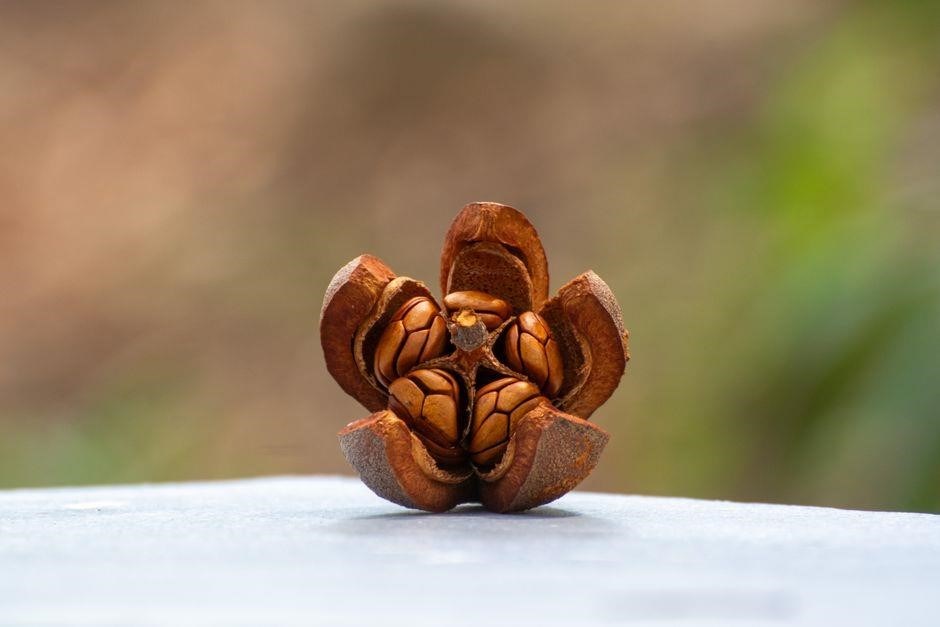
Pods are grouped into four main types: legumes, samaras, capsules, and conifer cones. Legumes split open, samaras are winged, capsules burst, cones are woody. Recognizing shapes speeds species ID!!!. Use size, texture, and season to refine ID!!!!.

Legume Pods Characteristics
Legume pods, key seed‑carrying structures of the Fabaceae, are symmetrical capsules that split along two seams to release seeds. The split can be straight, curved, or twisted, and the opening direction (axial or transverse) often indicates genus. Texture ranges from smooth, papery skins in peas to thick, leathery coverings in acacias, offering clues about habitat. Size varies from a few millimeters in beans to several centimeters in trees like black locust. Color shifts from green or brown when immature to brown or black at maturity, sometimes glossy. Some pods are inflated and balloon‑like; others are flattened, boat‑shaped. Presence of stipules, tendrils, or leaf arrangement on the same plant refines ID. Observing pod length, width, seam orientation, and surface texture helps narrow genus and species, making legumes vital in field identification. Each pod typically holds one to several seeds, which may be oval, flattened, or elongated, often with a hard, woody testa. Seed arrangement—aligned along the pod axis or clustered at one end—provides taxonomic markers. Pods that attract birds or mammals have distinctive colors. Pod maturation timing, usually in fall, is a critical cue; early‑maturing pods can signal drought‑tolerant species. Secondary structures like tendrils or stipules on the pod stem further indicate specific subfamilies, completing the ID puzzle. today now in
Samaras: Winged Seed Dispersal
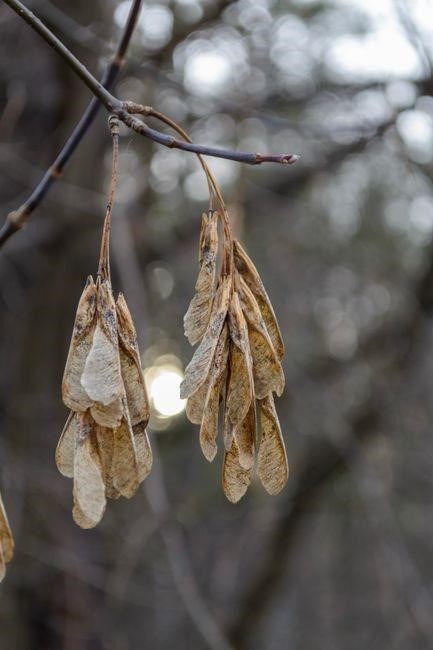
Samaras are the aerodynamic “helicopter” seeds of maples, elms, and ash, distinguished by their flattened, wing‑like extensions that enable wind dispersal. The seed is a single, hard kernel surrounded by a thin, membranous wing that may be symmetrical or asymmetrical. In maples (Acer spp.), the wing is broad and fan‑shaped, giving the seed a characteristic “hand‑shake” spin as it falls, whereas ash samaras (Fraxinus spp.) possess a narrow, paddle‑shaped wing that produces a gentle gliding motion. The wing surface may be smooth, ribbed, or veined, and the color ranges from pale green when immature to brown or black upon maturity. Size varies: maple samaras can be 2–5 cm long, while ash samaras are smaller, about 1–2 cm. The seed’s attachment point, called the hilum, is often a small, raised spot that can aid identification. Samaras typically mature in late summer to early fall, and their timing can help differentiate species in mixed stands. Observing the wing shape, seed size, hilum position, and color progression provides reliable clues for field identification, especially when combined with leaf and bark characteristics. They drift, spreading seeds across wide forest! They glide across gently. The samara’s winged design not only disperses seeds efficiently but also serves as a key diagnostic feature, allowing botanists and hobbyists alike to identify tree species with surety.
Conifer Cones as Seed Pods
Conifer cones are the woody, protective structures that house the seeds of pines, firs, spruces, and other gymnosperms. They come in two main types: male (pollen) cones, which are small, often needle‑like, and female (seed) cones, which are larger, woody, and typically scale‑covered. Female cones open when mature, revealing seeds that may be winged or non‑winged. The cone’s scale arrangement, texture, and color are key identification markers. Pine cones (Pinus spp.) are usually elongated, with overlapping scales that can be smooth or ridged; they often have a distinct “pointy” apex and may be green to brown. Fir cones (Abies spp.) are shorter, more globular, and have a smooth, glossy surface; they tend to be lighter in color and release seeds when the scales split open. Spruce cones (Picea spp.) are slender, cylindrical, and have a distinctive “horned” apex, with scales that are tightly fused at the base. Cones may be wind‑dispersed or rely on animals for seed spread. The timing of cone maturation varies: pines may produce cones in late spring to early summer, while firs often mature in late summer. Observing cone size, scale pattern, apex shape, and seed type provides reliable clues for species identification in the field. Conifer cones are essential for reproduction and serve as a reliable visual cue for botanists and forest managers alike. These cones not only protect the seeds but also provide valuable ecological data for monitoring forest health.

Field Identification Techniques
Observe pod size, shape, texture, and color. Note seasonal changes and location. Use a magnifying glass for fine details. Record GPS coordinates. Photograph pods for reference. Compare with online charts for accuracy. Always keep a field notebook.
Size, Texture, and Seasonal Indicators
Size, texture, and seasonal cues are the cornerstone of pod identification. Measure the pod’s length and width with a ruler or tape; record the range in millimeters. Note whether the pod is slender, broad, flattened, or cylindrical. Texture assessment involves touch and visual inspection: smooth, papery, fibrous, leathery, or spiny surfaces each signal specific families. For instance, a glossy, papery pod often belongs to the legume family, whereas a fibrous, woody pod may indicate a conifer cone. Seasonal indicators help confirm species: pods that open in late summer typically belong to maples, while those that remain closed until winter are often ash or birch samaras. Observe the timing of pod development relative to leaf emergence and fruiting. In spring, many species produce green, tender pods that mature to brown or black by fall. The color transition can be a reliable marker; a pod that turns bright red or orange before dispersal is characteristic of certain locusts. Additionally, winged or flattened structures suggest samaras, while a hard, nut‑like pod points to a capsule or nut. By combining precise measurements, tactile texture, and seasonal timing, you can narrow the genus and often the species with high and confidence! Consistent documentation—photographs, sketches, and notes—ensures that your observations can be cross‑referenced with field guides and digital databases for accurate identification.

Collecting Pods Under the Parent Tree

Gathering pods beneath the source tree offers the most reliable reference for species identification. Locate the lower canopy edge where mature pods naturally fall. Use a soft brush or gloved hand to avoid damaging delicate structures; a small trowel can lift pods from leaf litter. Record each pod’s position relative to the trunk—pods near the base often belong to species with heavy, woody capsules, while those scattered along branches indicate lighter samaras. Photograph each pod with a ruler for scale, noting surrounding foliage and bark texture. When multiple pod types appear, separate them into labeled containers to prevent mix‑ups. For legumes, observe whether the pod splits open (dehisces) along a seam; a split pod suggests a mature legume, whereas a closed pod may still be developing. In conifers, cones may remain attached to the branch; gently twist or cut to retrieve them, ensuring the scale arrangement. Store collected pods in a breathable bag or paper envelope to prevent mold. Finally, cross‑reference the collected specimens with a regional field guide or online database, matching size, shape, and texture to confirm the tree’s identity. This systematic approach reduces misidentification and supports accurate botanical records. OK!
Matching Pods to Species
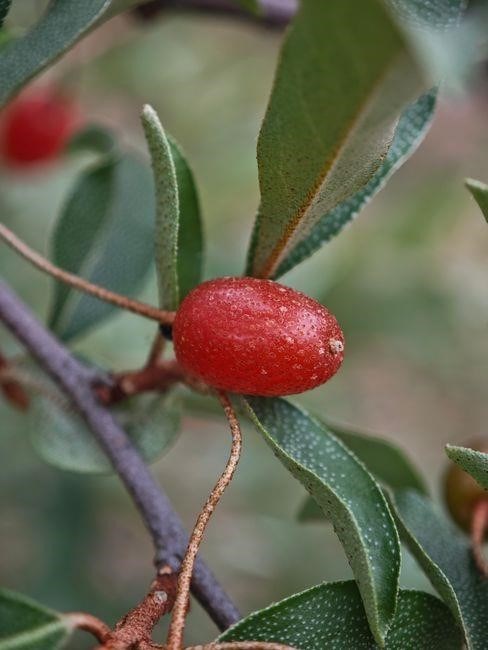
Identify species by matching pod traits—size, shape, texture, dehiscence. Compare with reference charts, noting family signatures. Use seasonal cues and parent tree location for accurate identification. Cross‑check with keys for confirmation online.
Catalpa and Its Signature Cigar Pods
Catalpa pods are unmistakable cigar‑shaped capsules, 15–25 cm long, brown to dark brown when mature. They split longitudinally into two halves, revealing one or two flat, oval seeds. The pods hang from the tree in dense, drooping clusters, giving the canopy a distinctive “cigar” appearance. In spring, the leaves are large, palmate, and bright green, while the bark is smooth and gray. The tree thrives in moist, well‑drained soils and is common in the eastern United States, especially along riverbanks. For accurate identification, note the pod’s length, the number of seeds, and the split pattern. A single seed per pod is typical of Catalpa speciosa, whereas Catalpa bignonioides often bears two seeds. The presence of a thick, fibrous husk that dries to a papery texture further confirms the species. Catalpa is valued for its rapid growth, attractive bark, and the ornamental use of its pods in landscaping. When encountering a pod, compare its dimensions and dehiscence to reference charts, and verify the leaf arrangement and bark texture to ensure correct species identification. Collectors often photograph pods for reference, noting color changes from green to brown and subtle ridges that appear as the pod dries, aiding identification.!!!
Locust and Redbud Seed Pod Features
Locust pods are slender, elongated capsules, 10–15 cm long, green when fresh and turning brown as they mature. They split into two valves, each bearing a single flat seed. The pods hang in long, drooping racemes, giving the tree a graceful silhouette. Redbud pods are smaller, 3–5 cm, bright green, and dehisce into two halves, each containing a single seed. They are borne in dense clusters at the ends of branches. Both species produce smooth, papery husks that dry to a light brown, and the seeds are oval with a slight wing. Locust leaves are pinnately compound with 7–11 leaflets, while redbud leaves are simple, heart‑shaped, and turn a vivid crimson in autumn. The bark of locust is grayish with shallow fissures, whereas redbud has a smooth, pale gray bark. Identifying these pods involves noting the length, split pattern, and seed count, then cross‑checking leaf morphology and bark texture. In the eastern United States, locust thrives in moist, well‑drained soils, while redbud prefers slightly acidic soils. Accurate identification assists in conservation, landscaping, and ecological studies. Collectors often photograph pods for reference, noting color changes from green to brown and subtle ridges that appear as the pod dries, aiding identification
Maple Helicopter Seeds vs. Ash Samaras
Maple helicopter seeds are lightweight, flat, and bilaterally symmetrical, each bearing a single seed attached to a long, narrow wing that gives the seed a distinctive “helicopter” appearance. The wings are thin, papery, and often slightly curved to aid wind dispersal. Seeds are typically 2–4 cm long, with a dark brown body and a translucent wing up to 6 cm. They appear in clusters of 10–15 per catkin in late spring, before leaves fully emerge, and fall to the ground in late summer ready to germinate. Ash samaras are small, round, and paddle‑shaped. Each contains a single seed with a short, rounded wing attached at a 45‑degree angle. Wings are thicker and more robust than maple wings; seeds are 1–2 cm long. Samaras form clusters of 20–30 per catkin, appearing in late spring or early summer, and also fall in late summer. Key differences: maple wings are thin and longer than the seed body; ash wings are thicker and shorter. The size of the seeds and the catkin arrangement also differ, helping identify the species. These distinctions are crucial for botanists and hobbyists alike when cataloging forest composition. Field observations confirm that maple seeds often disperse farther due to their aerodynamic wings.

Digital Tools and Resources
Use the Tree Identifier app and online charts to match pod images, size, and texture. Upload photos, select pod type, and receive instant species suggestions. These digital tools streamline field identification and data logging. Download guide!!?

Tree Identifier App and Online Charts
The Tree Identifier app offers a user-friendly interface for quickly matching seed pods to species. Capture a clear photo, select the pod type—legume, samara, capsule, or cone—and the app cross-references a comprehensive database of over 75 tree species. It provides detailed descriptions, images, and distribution maps, allowing you to confirm matches with confidence. Online charts complement the app by presenting visual guides that highlight key pod characteristics such as size, shape, dehiscence, and seasonal timing. These charts are organized by family and include high-resolution illustrations, enabling field researchers to compare specimens side-by-side. Together, the app and charts streamline identification, reduce errors, and support conservation efforts by making accurate species data readily accessible to botanists, educators, and hobbyists alike. The interface also supports barcode scanning of herbarium specimens, and the cloud sync feature allows collaborative annotation across research teams worldwide, ensuring that data remains up-to-date and accessible even in remote field conditions. Additionally, the app’s offline mode stores a lightweight pod database, enabling users to identify species even without internet connectivity, is useful during hiking or in areas with limited signal.!
Conservation and Practical Uses
Seed pods are not only identification markers; they play pivotal roles in ecosystem resilience and human benefit. In restoration projects, selecting native species with robust pod dispersal enhances natural regeneration, especially after disturbances. The high seed viability of many legumes, such as honey locust, supports soil nitrogen fixation, improving fertility for subsequent plantings. Medicinally, pods of certain trees contain bioactive compounds—catalpa bark extracts, for instance—used in traditional remedies for inflammation. Culinary uses include sweet, edible pods of Kentucky coffee tree and hard, woody ash pods for durable fiber basketry. Urban planners incorporate pod‑bearing trees to create self‑seeding green corridors, reducing maintenance costs. Additionally, seed‑pod research informs climate‑adaptation strategies, as pod morphology influences dispersal distance under shifting wind patterns. Seed pods aid soil. Conservationists monitor pod abundance to gauge population health, using pod counts as a non‑invasive indicator of reproductive success. By integrating pod data into management plans, stakeholders can prioritize species that offer both ecological services and cultural value, ensuring sustainable landscapes for future generations.
 fision tv guide
 social media event marketing guide by donna gilliland
 yeezy foam runner size guide
 rough guide vs lonely planet
 a comprehensive guide to navigating the insurance claim process
 suze orman ultimate retirement guide pdf
 identification guide tree seed pods identification
 cracking the pm interview pdf
 bill of sale colorado pdf
 asce 7-22 pdf free download